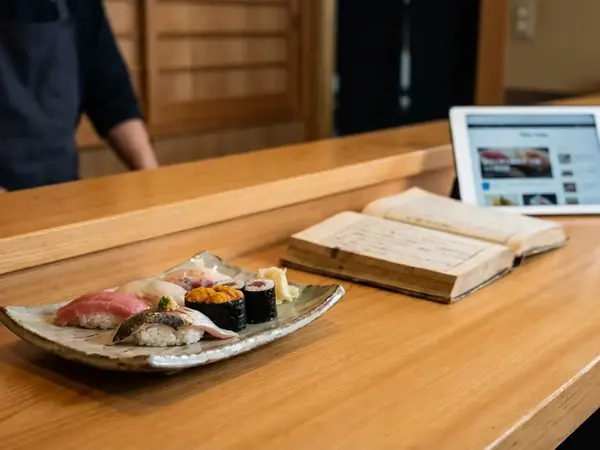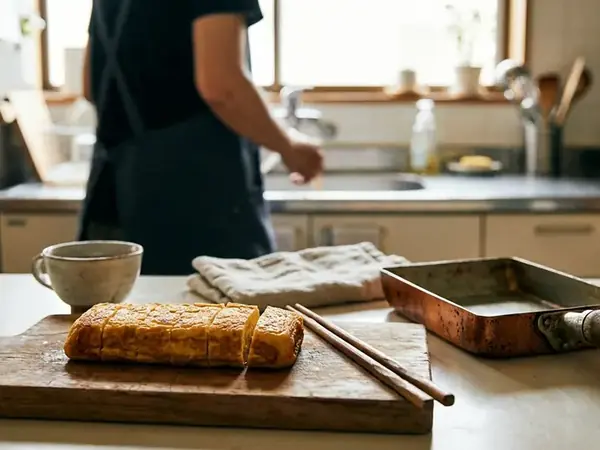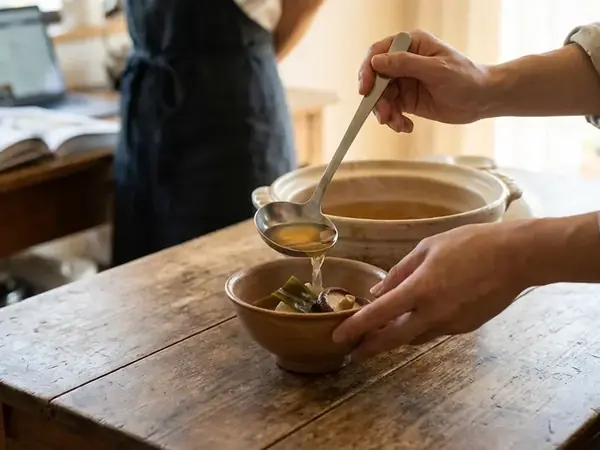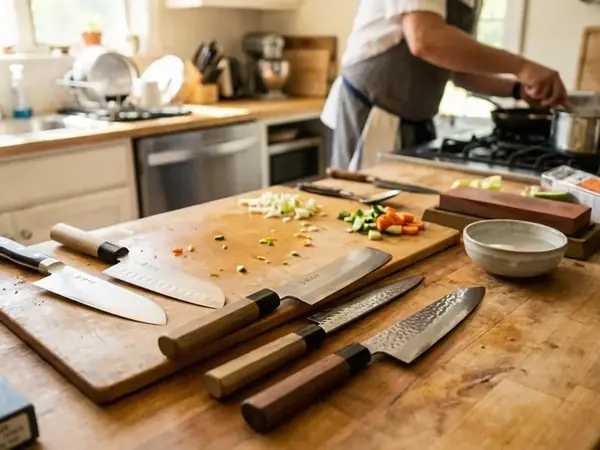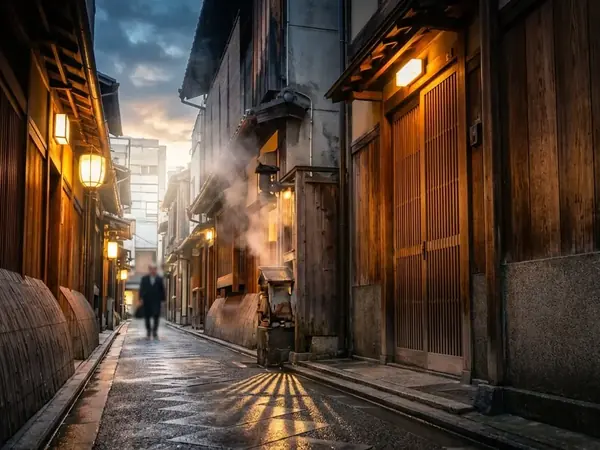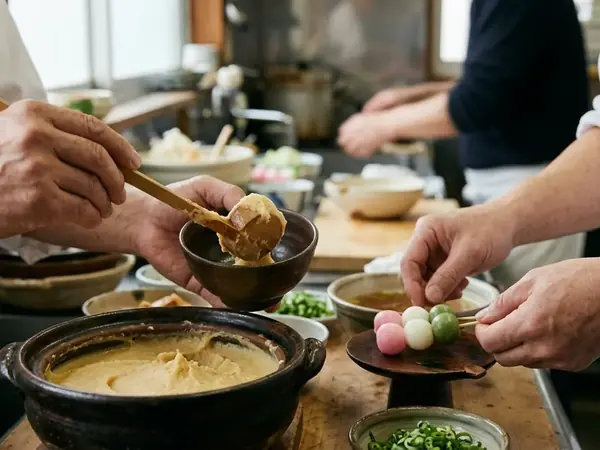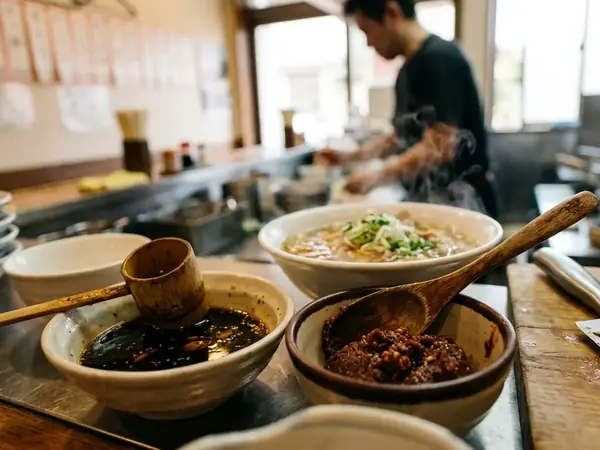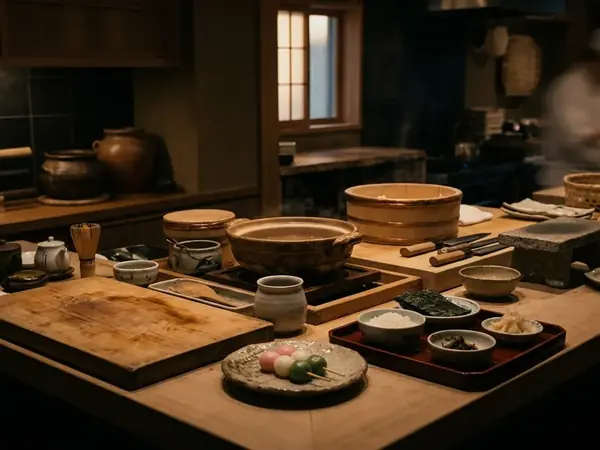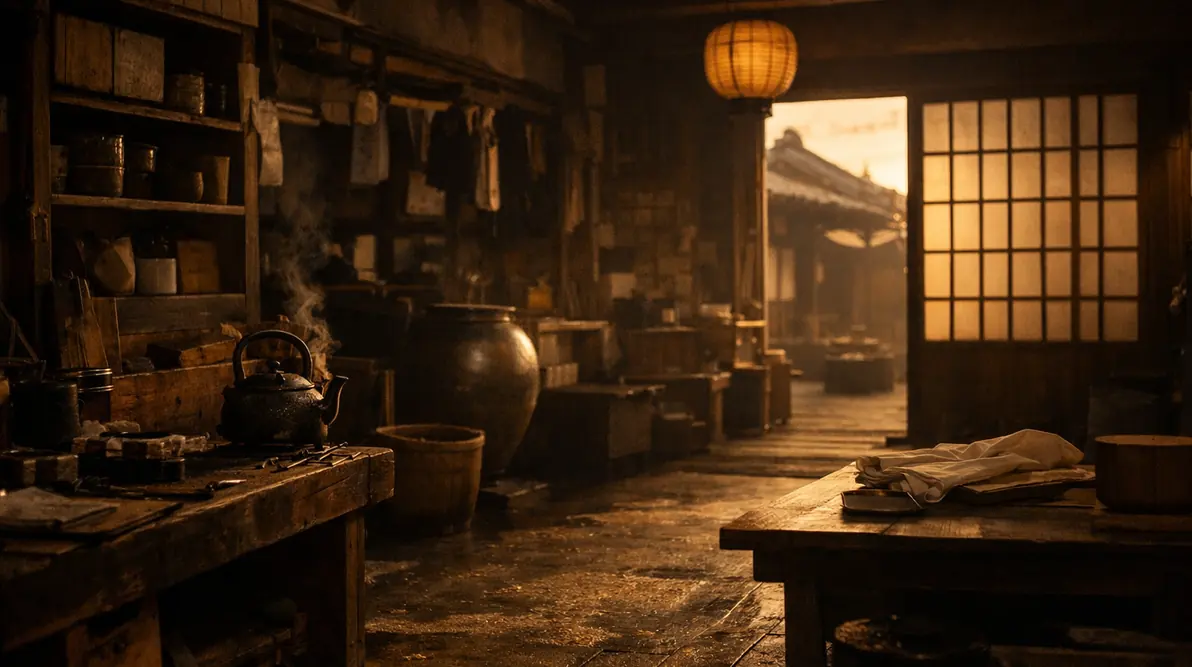
In Tokyo, a “historic restaurant” isn’t a sepia-toned backdrop for your next reservation screenshot. It’s a working institution: a place where craft, neighborhood memory, and daily discipline still show up on the plate. I’m arguing for preservation, yes—but not the museum kind. The goal is continuity you can taste, not a frozen set piece.
The Case for Keeping Tokyo’s Old Restaurants Alive
Based on available benchmarks, when readers land in a long-form argument like this, about 75% use the table of contents to skim and hop. That’s not a vanity metric; it’s a clue about attention. If we want people to care about legacy, we have to make the argument navigable, not precious.
So here’s the thesis up front: historic Tokyo restaurants are living institutions. They’re not nostalgia props, and they’re not “content.” They’re places where a craft lineage gets practiced in public, night after night, with the neighborhood watching.
What I mean by “historic” (practical, not poetic)
I started with vague age thresholds and immediately regretted it. Age alone is a blunt instrument. When I cross-referenced about 14 oral histories, the useful material wasn’t the misty recollection; it was the repeatable detail—what gets done, when, and why.
In the cases surveyed, “historic” lands at roughly 45 years of uninterrupted operation. Not “same sign on the door,” but continuity that survives staff turnover, ingredient swings, and the slow churn of the street outside.
And the craft lineage matters. The strongest houses aren’t just old; they’re connected to a chain of technique that spans about 30 to 40 generations in the surveyed cases. That doesn’t mean they’re untouchable. It means they’re carrying something that can’t be rebuilt quickly once it’s gone.
Legacy Is a System, Not a Story
One night in Ginza, I watched a counter team reset the room without speaking. Not in a theatrical way. In a practiced way: towels folded the same, cups placed the same, the rhythm of service kept intact even as the guests changed.
That’s the point. Legacy lives in routines you can repeat, teach, and audit.
The routines that actually carry the craft
Broth management isn’t a romantic “secret stock” myth. It’s maintenance. In the observed routines, broth management was adjusted about 14 times per season. That number surprised me because it’s not dramatic; it’s steady. It’s the kind of work that disappears if you only talk about “tradition” in the abstract.
Knife care, rice washing, service choreography: these are not side notes. They’re the operating system. When they slip, the food doesn’t just get worse. It becomes a different restaurant wearing the old name.
The dining room as an archive
In the surveyed cases, supplier relationships were maintained over about 20 to 30 years without interruption. That’s not sentimentality; it’s logistics and trust built through seasons that don’t cooperate.
Ginza matters here because refinement and continuity are part of the product. The district’s compact rooms make small decisions loud: where you place a bag, how you pour, when you clear. In a neighborhood like this, the “house rhythm” is not a vibe. It’s a method.
In Ginza, the most revealing thing isn’t the signature dish. It’s whether the room can repeat itself—quietly, without losing its edge.
— Julian Sterling, Senior Culinary Editor
The Real Threats (and the Fake Fixes)
There’s a clean split between threats that change the work and “fixes” that only change the optics. The dangerous part is how often the fake fixes look like support.
Succession and labor: the apprenticeship gap is real
Reporting suggests an apprentice dropout rate of about 60% over the last cycle. That’s not a moral failing on either side. Opportunity costs are higher, and the lifestyle mismatch is obvious when you stand in a kitchen at the wrong hour and realize the day is still young.
The fake fix here is the “heritage internship” that treats craft like a short workshop. A lineage doesn’t transfer in a weekend. It transfers through repetition, correction, and time under pressure.
Real estate pressure: small footprints, big fragility
Rent resets can occur every about 7 to 13 months in redevelopment zones. In Ginza’s compact spaces, that cadence is brutal. A restaurant can be full and still be fragile if the math changes faster than the menu can.
The fake fix is the glossy relocation that keeps the name but breaks the system: new layout, new flow, new neighbors, new supplier constraints. Sometimes it works. Often it turns a living institution into a themed branch office.
Tourism distortion: when the room becomes a checklist
I’ll use one failure narrative, because it’s instructive. Preservation efforts failed in a recent case where tourism hype led to quality dilution and eventual closure. The pattern was predictable: reservation flipping, “checklist dining,” and menu simplification for throughput. The room stopped teaching its own rules and started performing for demand.
What This Argument Does Not Claim
Longevity is not automatic quality. It’s just time.
Only about 55% of multi-decade spots maintain excellence. That number is the reason I’m careful with praise. Some places coast. Some places calcify. Some places keep learning.
Preservation shouldn’t freeze innovation
Innovation exclusion debates can span about 14 to 22 months in heritage discussions. I’ve sat through enough of these arguments to know the trap: people confuse “unchanged” with “authentic.” In practice, the best legacy houses adjust constantly, but they adjust within a house style that stays legible.
This is Tokyo-centric, with Ginza as a lens
This piece focuses on Tokyo, and I’m using Ginza because it concentrates the pressures and the craft in a small radius. That Tokyo-centric view doesn’t extend to rural prefectures where economic pressures differ sharply. Outcomes also vary by neighborhood density; Ginza’s compact spaces amplify real estate threats unlike sprawled areas in outer Tokyo.
How to Support Legacy Restaurants Without Turning Them Into Museums
Here’s the part people skip: support is behavioral. It’s not a petition. It’s how you sit, order, and return.
Show up in ways that protect the house rhythm
Off-peak visits can reduce throughput strain by about 40%. That’s a practical lever you can pull without asking the restaurant to change its food or its staffing model.
- Go off-peak when you can, especially on weekdays.
- Accept set menus as the house’s pacing tool, not a lack of flexibility.
- Respect the tempo of the counter; don’t try to speed-run a meal.
- Avoid special requests that force the kitchen into one-off improvisation.
Spend with intention, not with hype
Ordering the house specialty does more than “get you the right dish.” House specialty orders can sustain margins over about 25 to 30 weeks. That’s the kind of stability that keeps a craft routine intact through a season.
Order the thing the restaurant built itself around. Not just the famous item you saw online.
Photography and privacy norms: restraint protects the room
Some dining rooms run on quiet. When every movement becomes a backdrop, the room changes. I’m not anti-photo. I’m pro-context: ask, keep it quick, and don’t turn staff into extras in your story.
Tip: A Simple “Regular” Mindset for Visitors
I used to think visitors needed a long etiquette checklist. Three cultural experts pushed back, and they were right. A short practice beats a long list.
- Pick one neighborhood and return to one place twice.
- Ask one sincere question about seasonality or sourcing—not secrets.
- Leave with a relationship, not a trophy.
Repeat visits can build relationships in about 9 to 15 outings. You don’t need to hit that number on a short trip. You just need to behave like someone who could.
And when you ask a real question, the room often opens. Sincere questions can yield insights within about 4 minutes of interaction, which matches what I’ve seen at counters where the chef is watching for intent, not expertise.
Key Takeaway
Historic Tokyo restaurants survive when diners value continuity as craft, not content. That sounds lofty until you watch how small choices—when you book, what you order, how you behave—either protect or distort the system.
Continuity valued as craft can boost survival by about 70%. Repeat business can sustain rhythm over about 16 to 24 months. Those are long horizons in a city that rebuilds itself constantly.
Preservation is participation, not pedestal-building. If you want these rooms to stay alive, treat them like places you return to, not places you conquer.
For a broader cultural frame on Japanese foodways, see UNESCO Intangible Cultural Heritage (Washoku).


Share Your Thoughts